
Jazz to Buy Actio Biosciences for $820M, Betting on a Rare Genetic Epilepsy
The deal adds ABS-1230, an oral drug for KCNT1-related epilepsy that has no approved treatment — Jazz’s second epilepsy acquisition in a year.
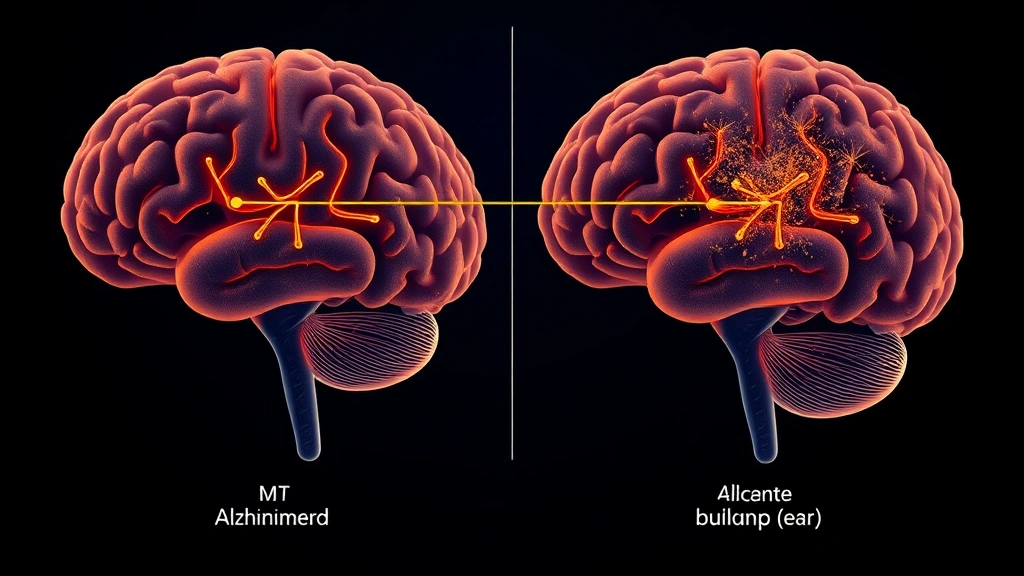
A Cambridge study explains an obesity-drug paradox — the GIPR receptor does opposite jobs in different brain regions, so agonists and antagonists both work.
The deal adds ABS-1230, an oral drug for KCNT1-related epilepsy that has no approved treatment — Jazz’s second epilepsy acquisition in a year.
By tracking some patients for up to 25 years, Sanger Institute researchers found DNA changes that flag which slow-growing blood cancers will progress — long before symptoms.
Stanford researchers coaxed immune cells into a tumor-infiltrating form — without genetic engineering — that penetrated cancers better and, paired with an antibody drug, sharply slowed growth in mice.
The renewed alliance keeps subspecialty expertise, tumor conferences and clinical-trial access available to patients closer to home, with new local cancer services coming this autumn.
A study of a rare fat-loss disorder shows healthy fat tissue is metabolically vital — and when it becomes inflamed and disappears, diabetes can follow.
European regulators have validated the marketing application for a six-valent Lyme vaccine that showed more than 70% efficacy in a 9,437-person Phase 3 trial. No human Lyme vaccine is currently approved.
The Series C, backed by Eli Lilly and Bristol Myers Squibb, will advance a FAP-targeted radiotherapeutic for sarcoma and expand a pipeline of precision radioligand drugs.
The agency paused testing of RGX-121 after spinal MRI abnormalities turned up in patients treated years ago — the second clinical hold on a Regenxbio program in 2026.
Vanderbilt and TGen researchers used spatial transcriptomics on biopsy tissue to expose molecular variation within the same rejection grades — and flag who won’t respond to standard therapy.
By fusing therapeutic antibodies to albumin, researchers cut how much of the drug crosses the placenta — without sacrificing the long-lasting effect that makes these medicines useful.
The deal hands Argenx FB102, an anti-CD122 antibody with early data in vitiligo and celiac disease, deepening its push into autoimmune diseases.