“Superagers” Keep Youthful Memories — but Their DNA Looks Ordinary
A study of older adults with exceptional memory finds their gift can't be explained by lucky Alzheimer's-protective genes, pointing to other factors.
At very high intravenous doses, vitamin C flips from antioxidant to pro-oxidant, generating a compound that preferentially damages stressed cancer cells. It’s still experimental.
A study of older adults with exceptional memory finds their gift can't be explained by lucky Alzheimer's-protective genes, pointing to other factors.
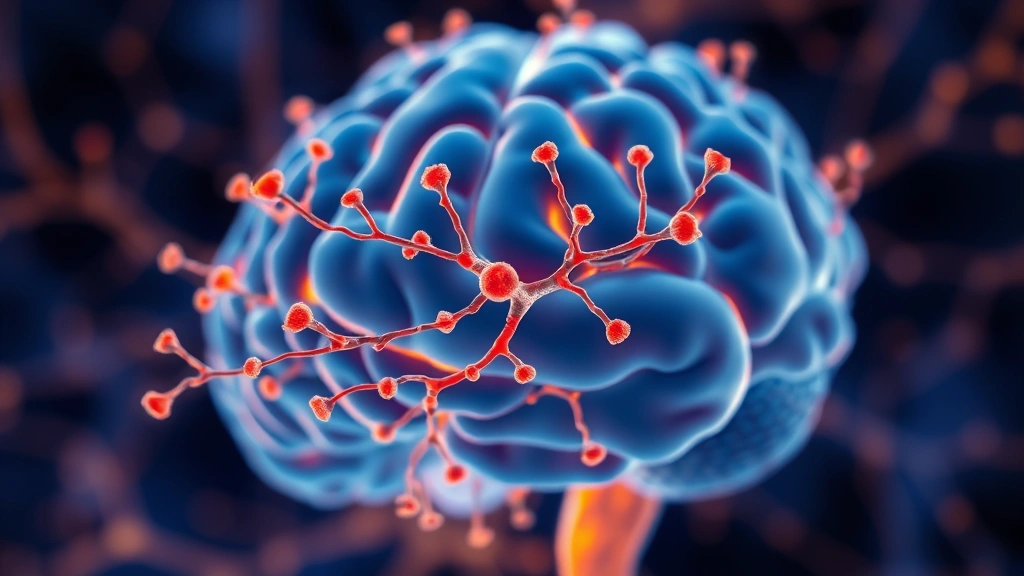
Mapping genome architecture and gene activity in the same cells reveals a new layer of dysfunction in Alzheimer's — and possible therapeutic targets.
University of Illinois researchers rewrote how the huntingtin gene is read, cutting toxic protein fragments and brain damage in mice — an early, preclinical step.
Mapping brain tissue from donors aged 20 to 95, researchers saw the hippocampus’s immune cells transform in midlife — a possible link between aging and dementia.
Cambridge researchers found the obesity target GIPR works through two different brain regions — explaining why drugs that switch it on or off can both curb appetite.
Princeton researchers found that when fiber runs low, gut bacteria break down the intestine’s protective mucus — producing harmful byproducts linked to worse outcomes in disease.
Prediction-market firm Kalshi has opened contracts on whether drugs will hit their endpoints or win FDA approval, raising fresh insider-trading and ethics concerns.
Cleared for adults 50 and older, the shot cut confirmed influenza by 27% versus a standard vaccine in 50-to-64-year-olds — a landmark for mRNA beyond COVID.
The drugmaker added $1 billion to its savings target and raised its 2026 revenue outlook, even as COVID sales collapse and several cancer drugs slip.
Lab-grown human neurons show the protective APOE2 variant is better at repairing DNA damage and resisting the cellular aging linked to neurodegeneration.
The Series B will fund Phase 2 and Phase 3 studies of dotinurad, a uric-acid-lowering therapy already approved in several Asian markets.