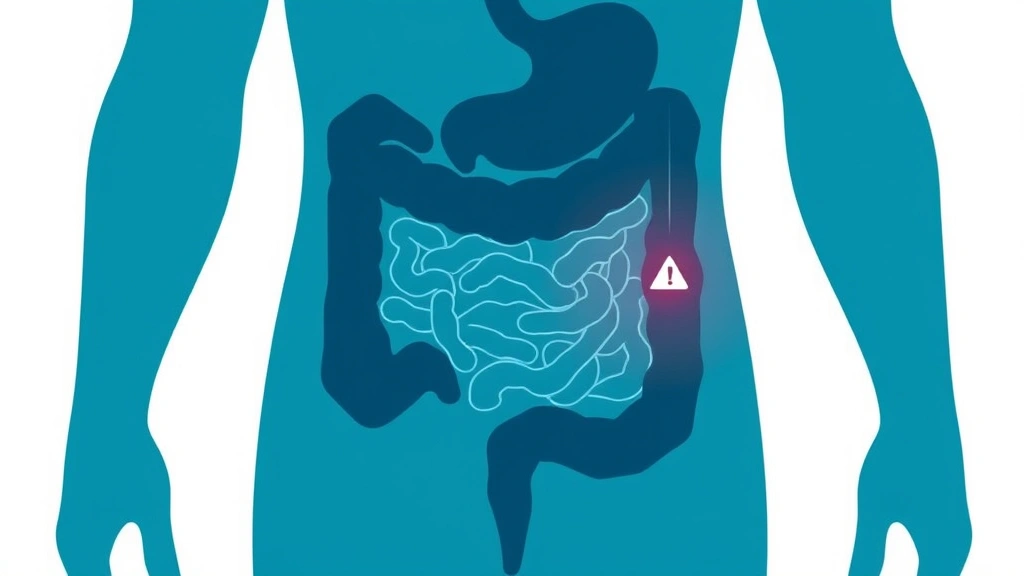
Colorectal cancer is increasingly striking younger adults — and surgeons are urging people not to brush off early symptoms that are easy to dismiss.
According to the American College of Surgeons, colorectal cancer is now the leading cause of cancer death among people under 50. About one in five cases occurs in people younger than 54, up from roughly one in ten three decades ago. Overall, about one in 25 people will develop colorectal cancer in their lifetime.
What the shift actually represents
The change is not simply better detection. Incidence in people under 50 has risen in absolute terms across multiple countries with different healthcare systems, and the pattern follows birth cohorts — people born more recently carry higher risk at any given age than earlier generations did at the same age.
That cohort effect points to something environmental that changed over decades rather than to changes in how the disease is found. Proposed contributors include obesity, dietary patterns, sedentary behaviour, antibiotic exposure and shifts in the gut microbiome, none of which has been established as the driver.
What are the warning signs
Doctors highlight several symptoms warranting attention, especially in younger adults:
Persistent changes in bowel habits — constipation, diarrhoea, or narrow stools. Recurring rectal bleeding. Dark or tarry stools. Unexplained weight loss and fatigue. Rectal pressure or discomfort.
The stakes are real: in patients under 50, rectal bleeding raises the odds of a colorectal cancer diagnosis by about 8.5 times.
Why these symptoms get dismissed
Each of them has common benign explanations, which is precisely the problem.
Rectal bleeding is far more often haemorrhoids than cancer, particularly in young adults, and both patients and clinicians reasonably reach for that explanation first. Bowel habit changes are attributed to diet, stress or irritable bowel syndrome. Fatigue is attributed to almost anything.
Age itself compounds it. A clinician who has seen hundreds of young patients with rectal bleeding and no cancer applies that experience, and the prior probability genuinely is low — which is why delays to diagnosis are consistently longer in younger patients, who are frequently investigated only after months of symptoms.
An 8.5-fold increase in odds is what makes the symptom worth acting on despite a low baseline.
Why dark stools mean something different
The distinction between bright red bleeding and dark or tarry stool is diagnostically useful.
Bright red blood typically originates low in the bowel, close to the exit, and is what haemorrhoids and rectal lesions produce. Dark, tarry stool indicates blood that has been digested during transit, meaning it entered higher up.
That is a signal warranting prompt investigation regardless of age, since it cannot be explained by the benign local causes that account for most bright red bleeding.
What to do
“Awareness of the subtle signs and symptoms of the disease can save lives,” said Dr Marylise Boutros of Cleveland Clinic Florida. “Any bowel change that is new or different for you deserves medical attention,” added Dr Paula Denoya of Stony Brook University.
The US Preventive Services Task Force now recommends average-risk adults begin screening at 45. But symptoms should not wait for a screening date — and the distinction matters, because screening is designed for people without symptoms. Someone with symptoms needs diagnostic investigation, which is a different pathway with different urgency.
Why family history changes the calculation
The screening age of 45 applies to average-risk adults, and a meaningful minority are not average risk in a way that is easy to establish.
A first-degree relative diagnosed with colorectal cancer roughly doubles risk, and the recommendation for such people is generally to begin screening earlier — often ten years before the age at which the relative was diagnosed — and to repeat it more frequently.
Inherited syndromes account for a smaller share of cases and carry far higher risk. Lynch syndrome, the most common, substantially raises lifetime risk and shifts diagnoses decades earlier; familial adenomatous polyposis produces hundreds of polyps and near-certain cancer without intervention.
These are underidentified. Recognising them requires a family history that patients often do not know in detail and clinicians do not always take, and genetic testing that is offered inconsistently.
The practical point is that anyone with colorectal cancer in the family should establish who, at what age, and on which side — because that information changes when screening should start, and it is far easier to gather before it is urgently needed.
Early-stage colorectal cancer is highly treatable, which is exactly why recognising the signs matters. General information, not medical advice.