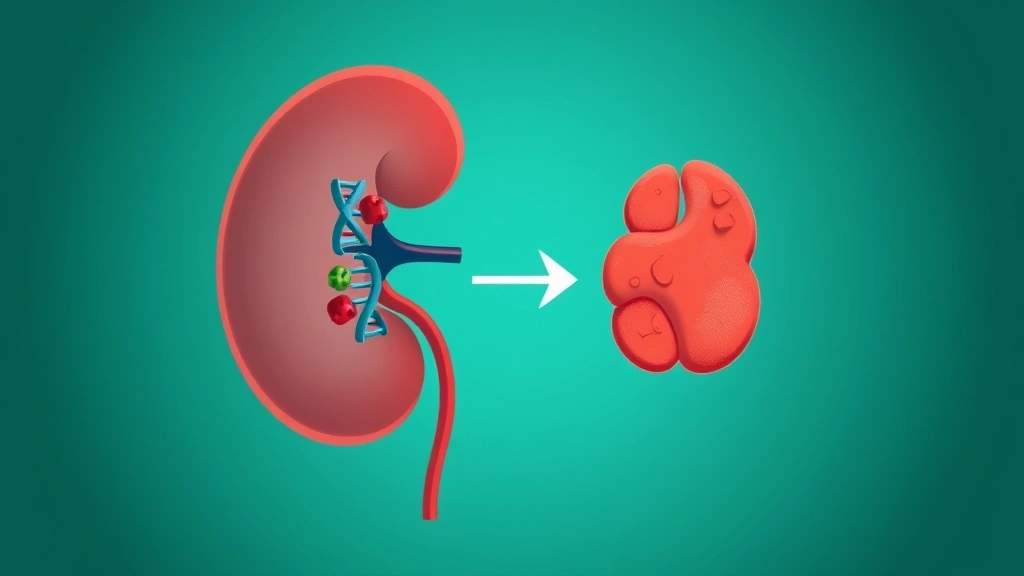
Two recipients of gene-edited pig kidneys have since successfully received human kidney transplants — answering, at least preliminarily, one of the most consequential objections to animal-to-human transplantation.
eGenesis reported that the patients, who received pig kidneys under an FDA-authorised expanded-access programme, were later able to receive human organs without antibody complications.
Why that specific question mattered so much
The worry was never only whether a pig kidney would work. It was what happens afterwards.
Exposure to foreign tissue can sensitise the immune system — provoking antibodies that then react against future transplants. In kidney transplantation this is measured as panel-reactive antibody, and it has severe consequences: highly sensitised patients are compatible with a far smaller share of donor organs and can wait years longer, sometimes indefinitely.
If receiving a pig kidney left a patient broadly sensitised, xenotransplantation would carry a brutal hidden cost — buying months of dialysis-free life at the price of ever receiving a human organ. These two cases suggest that is not necessarily the trade.
Bridge versus destination
This reframes what xenotransplantation might realistically be for. The ambitious version treats a pig organ as a permanent replacement. The nearer-term version treats it as a bridge — keeping someone alive and off dialysis until a human organ becomes available.
The bridge model is far more attainable. It does not require a pig kidney to function for decades, only for months to a few years. It tolerates a higher rate of eventual graft loss. And it targets the actual clinical crisis: more than 100,000 people in the US are waiting for organs, most of them kidneys, and many die waiting.
But the bridge only works if the bridge does not burn behind you — which is exactly what these two cases were testing.
What 69 edits are actually for
eGenesis uses source pigs carrying 69 gene edits, a number that sounds arbitrary until it is broken down. The edits address three separate problems.
The first is hyperacute rejection. Pig cells display carbohydrate antigens that humans do not make and against which we carry pre-existing antibodies — most famously alpha-gal. An unmodified pig organ is destroyed within minutes. Knocking out the enzymes producing those sugars removes the immediate trigger.
The second is incompatible regulation. Even past the first hurdle, human complement and coagulation systems interact badly with pig tissue. Human transgenes are added to regulate complement activation, coagulation and inflammation on the graft surface.
The third, and the reason the number is so high, is porcine endogenous retroviruses — retroviral sequences embedded throughout the pig genome. Inactivating them consumes the majority of the edits and addresses a theoretical cross-species infection risk rather than a rejection problem.
A separate programme, United Therapeutics’ UKidney, uses a 10-edit pig — six human genes added, four pig genes inactivated — and performed its first transplant at NYU Langone in late 2025. The two strategies represent a real disagreement about how much editing is necessary.
Where the field has come from
Xenotransplantation has a long and mostly unhappy history, from the Baby Fae baboon heart transplant in 1984 onward. What changed was gene editing: CRISPR made it practical to modify pig genomes at the scale these problems require, and the field moved quickly from theory to a series of individual compassionate-use cases — pig hearts and pig kidneys transplanted into patients with no remaining options.
Those cases established that the organs can function. They also established the limits: survival has been measured in weeks to months, with rejection and infection recurring themes. The field is now moving from one-off authorisations toward early clinical trials, which is where systematic answers become possible.
The caveats
This is two patients. Sensitisation is measured over time and can develop after the initial post-transplant period, so the absence of antibody complications in a handful of recipients followed for a limited interval is encouraging rather than settled. Larger, longer studies are needed to confirm both safety and durability.
Nor does this address the harder questions: how long a pig kidney can support a patient, what immunosuppression the bridge requires and what that costs in infection risk, and whether the results hold in patients less carefully selected than those in an expanded-access programme.
The supply problem this is really about
It is worth being precise about the shortage xenotransplantation is meant to address, because the numbers explain why an imperfect pig kidney could still be transformative.
Kidney failure is treatable with dialysis, so patients do not die immediately for want of an organ — they live on a machine, typically three sessions a week for four hours, with substantially reduced life expectancy and quality of life compared with transplantation. The waiting list therefore understates the need: it counts people deemed suitable candidates who have been formally listed, not everyone who would benefit.
Time on dialysis also makes the eventual transplant work less well. Longer pre-transplant dialysis is associated with worse graft and patient survival, which is why reducing waiting time matters clinically and not merely for comfort. A bridge organ that shortens or eliminates dialysis time before a human transplant would be attacking that problem directly — which is precisely the use case these two cases were testing.
What it does remove is a specific, plausible objection that could have made the entire bridge strategy unworkable. Research news, not medical advice.