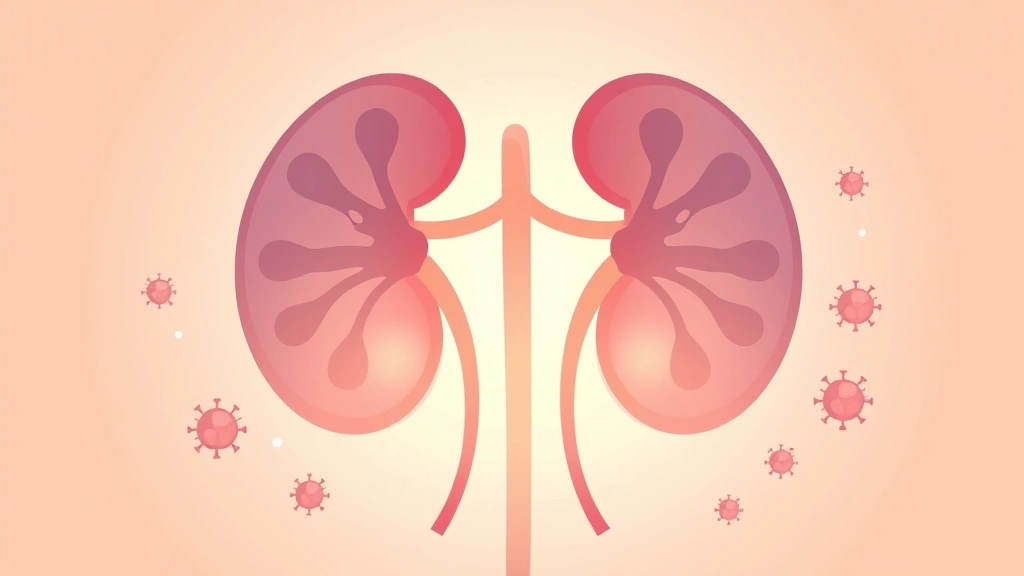
The FDA has approved Gazyva (obinutuzumab), from Roche’s Genentech, to reduce the risk of relapse in people aged 2 and older with frequently relapsing or steroid-dependent, childhood-onset idiopathic nephrotic syndrome who are in remission. Approved on September 25, 2026, it has been described as the first FDA-approved treatment for idiopathic nephrotic syndrome in about 70 years.
What nephrotic syndrome is
In nephrotic syndrome, the kidney’s filters become leaky and let large amounts of protein escape into the urine. Protein levels in the blood fall, fluid seeps into tissues, and children develop swelling, often first around the eyes and then in the legs and belly. The condition also raises cholesterol and the risk of infections and blood clots. “Idiopathic” means there is no identifiable underlying cause such as diabetes or lupus. It is one of the most common kidney diseases of childhood, usually appearing between the ages of about 2 and 8.
The steroid problem
Since the 1950s, the first treatment has been high-dose corticosteroids such as prednisone. Most children respond and go into remission. The trouble is what comes next: many relapse, often repeatedly, and some become steroid-dependent, relapsing whenever the dose is lowered. Repeated courses of steroids in childhood carry heavy costs — weight gain, stunted growth, bone thinning, high blood pressure, cataracts, and mood and behavior changes. Doctors have used other immune-suppressing drugs off-label to spare steroids, but none had been formally approved for this purpose.
How obinutuzumab works
Obinutuzumab is an antibody that targets CD20, a protein on the surface of B cells, and depletes them. It is already approved for certain blood cancers and, more recently, for lupus nephritis. Its use in nephrotic syndrome builds on growing evidence that B cells, and antibodies against a kidney filter protein called nephrin found in many patients, help drive the disease. Rituximab, an older anti-CD20 antibody, has been used off-label for years to reduce relapses; obinutuzumab is designed to deplete B cells more thoroughly.
The trial
The approval is based on the Phase 3 INShore study, which enrolled 85 patients aged 2 and older who were in remission. They received either obinutuzumab infusions on days 1 and 15 and at weeks 24 and 26, or twice-daily oral mycophenolate mofetil, a standard steroid-sparing drug. The main goal was to stay in complete remission, with low urine protein at week 52 and no relapse after week 8. Significantly more patients on obinutuzumab met that goal than on mycophenolate.
What relapses mean for families
A relapse is not a one-off event. Parents are usually taught to test their child’s urine at home with dipsticks, sometimes daily, watching for protein to return. A positive result means another course of high-dose steroids, often for weeks, followed by a slow taper. Some children relapse several times a year, and each episode can bring swelling, missed school, hospital visits and the risk of serious infection. Over a childhood, the cumulative steroid dose can be very large. That is why a treatment that keeps children in remission for a year or more, rather than simply treating each relapse, is such a significant change for these families.
How it compares with rituximab
Many pediatric nephrologists already use rituximab, another anti-CD20 antibody, off-label for frequently relapsing or steroid-dependent disease, and it has good evidence behind it. Obinutuzumab is a newer, engineered antibody that depletes B cells more deeply, which may translate into longer remissions. The two have not been compared head to head in this condition. The practical difference today is regulatory: obinutuzumab now has an FDA-approved label for this use, which can make insurance approval more straightforward.
Safety
Like other B-cell-depleting drugs, Gazyva carries a boxed warning for hepatitis B reactivation and progressive multifocal leukoencephalopathy (PML), a rare but serious brain infection. The most common side effects were infections, infusion-related reactions and low levels of neutrophils, a type of infection-fighting white blood cell. For families, those risks have to be weighed against the well-documented harms of repeated steroid courses.
Why it matters
For families of children who relapse again and again, the approval provides a treatment with formal evidence and an FDA label behind it, which also matters for insurance coverage. A few infusions a year replacing repeated steroid bursts, or daily pills, could change childhood for these patients. It also reflects a shift in how the disease is understood: from a mysterious kidney leak to an immune condition that can be targeted precisely. And because the label covers patients whose disease began in childhood but who are now adults, it also helps young people who have carried a relapsing condition into their twenties and beyond.
What comes next
Open questions include how long remissions last after treatment, when and whether to repeat the infusions, how obinutuzumab compares with off-label rituximab, and whether testing for anti-nephrin antibodies can identify who will benefit most. Treatment decisions should be made with a pediatric nephrologist. This is regulatory news, not medical advice.