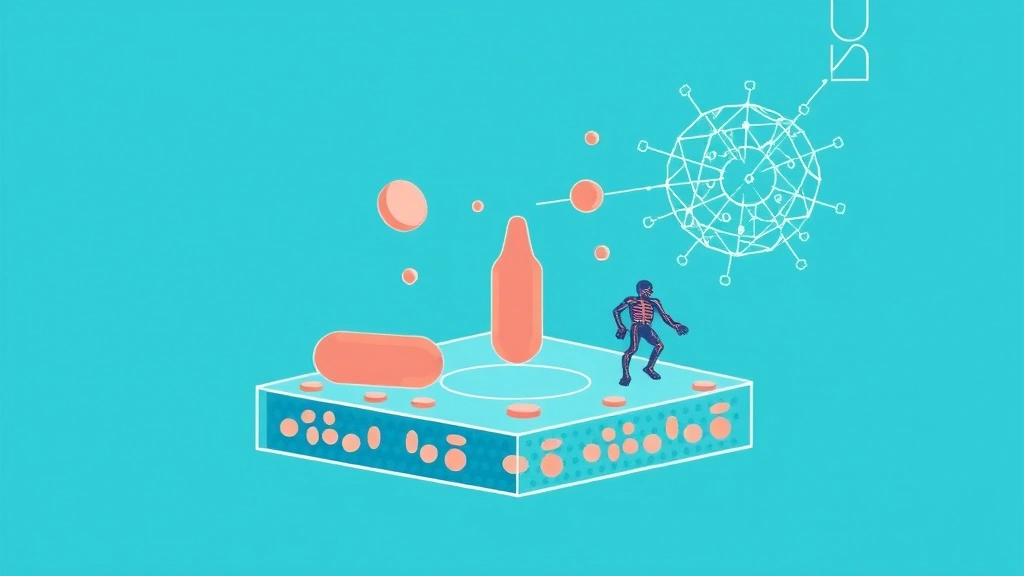
The FDA is updating its regulations to make it easier for drug developers to use alternatives to animal testing — a quiet but meaningful modernization of how the safety of new medicines is assessed before they reach human trials.
What actually changed
Issued as a direct final rule on September 21, 2026, the update does something deceptively simple: it replaces the term “animal tests” with “nonclinical tests” in the relevant regulations. That wording shift formally recognizes that safety data can come from methods other than animals. Crucially, the rule does not eliminate animal studies — it expands the menu of accepted options rather than mandating replacements.
The alternatives it recognizes
The update explicitly acknowledges New Approach Methodologies (NAMs) — a catch-all for modern, non-animal ways to study how a drug behaves. These include human cell-based testing, organs-on-chips (tiny devices that mimic the function of human tissues and organs), and computer modeling and AI simulations. The rule applies broadly to drugs and biological products for human use, at the nonclinical (preclinical) stage — the safety testing done before a drug is given to people.
Why this matters scientifically
Animal models have been the backbone of preclinical safety testing for a century, but they are imperfect predictors of human biology — a drug can look safe in mice and harm people, or vice versa. Human-relevant methods like organs-on-chips and human-cell assays promise to be more predictive, faster and cheaper for certain questions, while also reducing animal use. By formally validating them, the FDA lowers a practical barrier: developers had faced regulatory uncertainty about whether non-animal data would be accepted.
The measured framing
Officials were careful not to overpromise. “This rule supports rigorous, modern science — including animal studies when appropriate,” said Acting FDA Commissioner Kyle Diamantas, framing the change as adding flexibility where the evidence supports it, not abandoning animal testing wholesale. The rule imposes no new costs or requirements; it clarifies what’s allowed. Because it’s a direct final rule, the FDA will withdraw it and pursue standard rulemaking if it receives significant adverse comments during the public comment period.
Why it matters
This is part of a broader, years-long push — backed by scientists, industry and animal-welfare advocates alike — to modernize drug testing. If human-relevant methods prove reliable, they could eventually make preclinical testing more accurate and more humane at once. But the transition will be gradual: NAMs must be validated case by case, and for many questions, animal data will remain the standard for now. The rule is best read as opening a door, not flipping a switch. This is regulatory news, not medical advice.