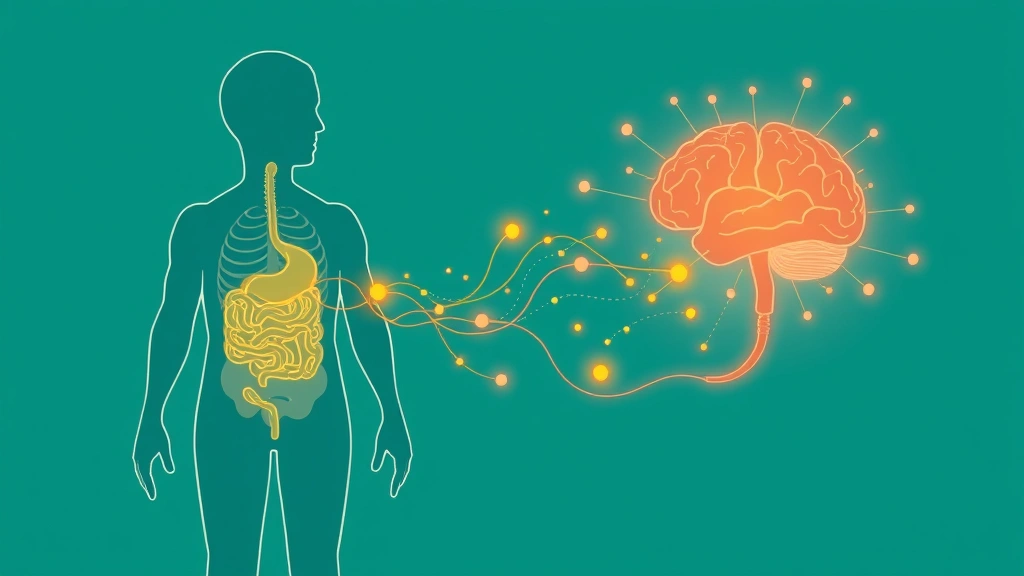
A molecule produced by gut bacteria may contribute to Alzheimer’s disease, according to a study published on October 3, 2026 in Nature Communications. Researchers at the University of Wisconsin–Madison, working with colleagues at UCLA and the University of Gothenburg, found that people with higher blood levels of imidazole propionate (ImP) had more signs of the disease in their brains and declined faster. In mice, giving the molecule made Alzheimer’s-like changes worse.
What the study found in people
The team analyzed about 1,200 participants from two long-running Wisconsin studies that follow people at risk of Alzheimer’s, measuring ImP in their blood alongside brain scans, spinal fluid markers and memory tests. Those with higher ImP levels were more likely to show the abnormal protein markers of Alzheimer’s and signs of impaired neuron function. People with the highest levels experienced much faster cognitive decline over time.
What imidazole propionate is
ImP is not something we eat. It is made by certain gut bacteria when they break down histidine, an essential amino acid found in virtually all protein-rich foods. From the gut it passes into the bloodstream. ImP already had a track record before this study: earlier work, much of it from the Gothenburg group, linked high levels to type 2 diabetes and atherosclerosis, the artery disease behind heart attacks and strokes. That history matters, because diabetes and vascular disease are themselves established risk factors for dementia.
The mouse experiments
An association in people cannot show cause. To test whether ImP is merely a marker or an active player, the researchers turned to mouse models of Alzheimer’s. Raising ImP levels in the animals increased the build-up of abnormal beta-amyloid and tau, the two proteins that define the disease, and was followed by the death of neurons. That suggests the molecule can directly promote the disease process, at least in mice, after travelling from the gut to the brain through the circulation.
A genetic twist
The study also found that about 43% of participants carried a genetic variation associated with substantially higher ImP levels. In other words, how much of the molecule circulates in a person’s blood appears to depend not only on which microbes live in their gut but also on their own genes, which may influence how the molecule is handled or cleared.
Small microbes, large effects
One striking point is that the bacteria responsible are not especially common in the gut. As co-senior author Federico Rey put it, “A microbe doesn’t have to be abundant to have an impact on the host.” What matters is what a microbe produces. That shifts attention from cataloguing which species are present — the focus of most microbiome tests sold to consumers — toward the specific chemicals they release into the body.
The gut–brain connection
The study adds to a growing body of evidence that the gut influences the brain. Gut bacteria produce a wide range of molecules that enter the blood, affect inflammation and blood vessels, and in some cases reach the brain. Differences in the gut microbiome between people with and without Alzheimer’s have been reported before, but most such findings have been descriptive. Identifying a single, measurable molecule with a plausible mechanism is a step toward something testable. It also fits a wider pattern: the conditions ImP has already been tied to, diabetes and artery disease, damage the small blood vessels that feed the brain, so the molecule may harm the brain both directly and through the body’s metabolism and circulation. Untangling those routes will be part of the follow-up work.
Can diet lower it?
Not straightforwardly. Because histidine is an essential amino acid present in nearly all protein, cutting it out is neither practical nor safe. The researchers do not recommend dietary changes on the basis of this study. Previous research suggests ImP production depends on the make-up of the microbiome and overall dietary pattern rather than on histidine intake alone, but there is no proven way for individuals to reduce it.
The caveats
The human findings are observational: higher ImP could be a consequence of early disease, or of the diabetes and vascular problems that often accompany it, rather than a cause. The participants came from one region and largely one demographic, and the causal evidence is in mice, which do not develop Alzheimer’s naturally. No one has yet shown that lowering ImP slows the disease in people.
What comes next
The researchers hope to develop drugs that reduce ImP, comparing the idea to how statins lower cholesterol to prevent heart disease. ImP could also prove useful as a blood marker of risk. Both would need to be confirmed in larger, more diverse groups and, ultimately, in clinical trials. For now, the best-supported ways to lower dementia risk remain the familiar ones: controlling blood pressure, blood sugar and cholesterol, staying physically active, not smoking, and treating hearing loss. This is research news, not medical advice.